Exterior Car Detailing
Structured exterior washing, surface cleaning and finishing care for vehicles in Finland Proper, Finland.
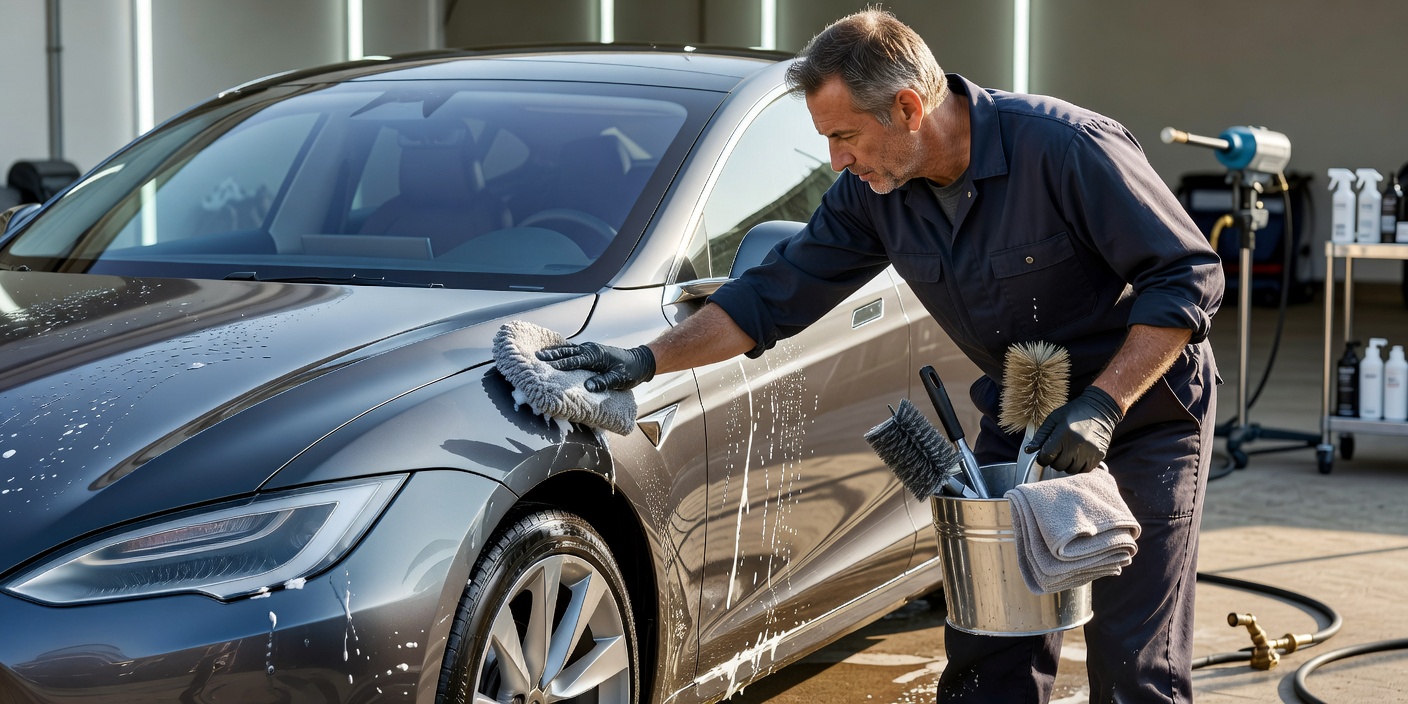
Introduction
Exterior car detailing is the careful cleaning and presentation of a vehicle’s outer surfaces. It goes beyond a quick rinse by paying attention to paint, glass, plastic trim, badges, door shuts and other areas where road film and environmental fallout collect. For drivers in Finland Proper, exterior care is especially relevant after winter grit exposure, coastal moisture and seasonal pollen.
chroniclebuddyrel presents exterior detailing as a methodical process: assess the exterior, wash with control, address bonded contaminants where appropriate, care for trim, dry thoughtfully and finish with a tidy inspection. The aim is a clean, well-presented exterior without overstating what washing and finishing alone can achieve.
What exterior detailing involves
A thorough exterior detail usually begins with a dry or preparatory review of the bodywork. Loose grit is removed carefully so it is not dragged across paint. Wheels and lower panels often receive early attention because they carry heavy soiling. Bodywork is then washed using controlled contact methods that prioritise lubrication and panel-by-panel technique.
Surface cleaning may include door jambs, fuel filler surrounds, mirror housings and trim edges that basic washes skip. Where safe and suitable, contaminant removal steps can address bonded particles that create a rough feel on paint. Exterior inspection continues through the process so issues such as chips, oxidation or peeling coatings are noted rather than ignored.
Finishing work can include glass cleaning, trim dressing where materials allow, and a final walk-around in good light. Drying considerations matter: leaving water to air-dry can create spots, while careless towel use can mark soft paint. Professional exterior detailing emphasises controlled drying and residual-water checks around badges, grilles and panel gaps.
Exterior washing
Washing is the foundation. Pre-rinse steps reduce abrasive load. Clean tools and fresh wash media help lower the chance of swirl introduction. Panel tops are often treated with more caution than lower sills. Wash chemistry should suit the vehicle’s finish, including any existing protection layers the owner mentions in an enquiry.
Surface cleaning and contaminant removal
After washing, paint can still feel contaminated. Road tar, industrial fallout and embedded grit are common topics in exterior detailing. Treatment choices depend on finish type and severity. The priority is reducing unnecessary abrasion and avoiding aggressive products on delicate areas such as matte wraps, poorly cured refinish paint or raw plastics.
Trim care
Unpainted plastic trim, rubber seals and textured mouldings age differently from clear-coated metal. Exterior detailing includes gentle cleaning of these parts and, when appropriate, appearance restoration products that do not migrate heavily onto paint or glass. Over-dressing that leaves greasy residue is avoided in careful workflows.
Exterior inspection
Inspection is not a technical roadworthiness check. It is a visual and tactile review of cleanliness and finish condition. Findings may inform whether separate paint polishing or headlight restoration conversations are useful later. Honest notes about chips or deep scratches help set expectations.
Drying considerations and finishing work
Drying should remove standing water without grinding grit into the clear coat. Soft, dedicated drying materials and attention to horizontal panels reduce spotting. Finishing may include a light gloss enhancer when requested and suitable, plus cleaning of exterior glass so the vehicle leaves looking cohesive rather than only partly attended.
Common reasons customers request exterior detailing
- Seasonal reset after winter road treatment exposure
- Preparation before longer trips or family events
- Visible film on paint, glass and trim after regular short washes
- Desire for more complete panel, jamb and wheel-arch presentation
- First step before paint polishing or coating discussions
- Pre-sale exterior cleanliness without full mechanical workshop work
Preparation considerations
Before exterior detailing, it helps to remove roof cargo, note any aftermarket vinyl, PPF or ceramic products, and mention recent body repairs. Loose exterior accessories should be secured. If the vehicle carries heavy mud or construction dust, stating that in the enquiry allows better planning for safe soil removal.
Owners should also flag matte finishes, satin wraps and delicate chrome-effect trims. These surfaces often need different chemistry and contact pressure from standard glossy clear coat. Clear communication prevents mismatched product choices.
Detailing considerations for Finland Proper
Local conditions influence exterior soiling patterns. Winter months can leave chloride-rich film and abrasive particulate on lower doors and sills. Spring may highlight residue that was less visible on wet dark paint. Summer insects and autumn leaf tannins create different cleaning challenges. Exterior detailing adapts sequence and dwell times to what is actually present on the vehicle rather than using one rigid script for every car.
Vehicle-care guidance after exterior detailing
Maintain exterior gains with gentler wash habits, prompt removal of bird droppings and regular attention to wheels where brake dust accumulates. Parking under trees or near industrial fallout may shorten the freshly cleaned look. If a protective product was discussed, follow the maintenance notes shared for that finish.
Avoid automatic brushes that can scuff soft paint if you are protecting a refined finish. Home wash buckets should stay clean, and drying towels should be washed separately from household lint sources when possible.
Important limitations
Exterior detailing improves cleanliness and presentation. It does not repair dents, repaint panels, reverse deep clear-coat failure or remove every etch mark. Water spots that have etched into clear coat may remain visible after cleaning. Heavily neglected finishes can look better yet still show age. No guaranteed showroom perfection is promised.
FAQ
No. While washing is central, exterior detailing typically includes more complete cleaning of trim, glass, and often overlooked edges, plus inspection and controlled finishing. Depth varies by enquiry and condition.
Standard exterior cleaning is not designed to remove scratches. Light marks may be discussed under paint polishing services, and deeper defects often need different solutions.
Many exterior details include wheel face cleaning. Dedicated wheel and rim detailing can go further when brake dust or intricate designs need more time.
Include body style, colour if relevant, finish type if known (gloss, matte, wrapped), recent paintwork, and the main soil or presentation concerns you notice.
Related services
Discuss exterior detailing for your vehicle
Share body style and exterior condition notes to start a clear enquiry.
Request a Detailing Enquiry