Interior Car Detailing
Cabin cleaning for seats, carpets, mats, dashboard areas and interior surfaces across Finland Proper.
Introduction
Interior car detailing focuses on the cabin environment: the surfaces you touch, the textiles you sit on and the floors that collect grit from Finland Proper roads. Unlike a quick vacuum, a structured interior detail organises work around materials, soiling patterns and accessibility so cleaning is thorough without damaging sensitive finishes.
chroniclebuddyrel approaches interior detailing as appearance and hygiene-oriented care—not mechanical diagnosis. The process emphasises vacuuming, surface cleaning, mat care and respectful handling of screens, soft-touch plastics and stitching.
What interior detailing involves
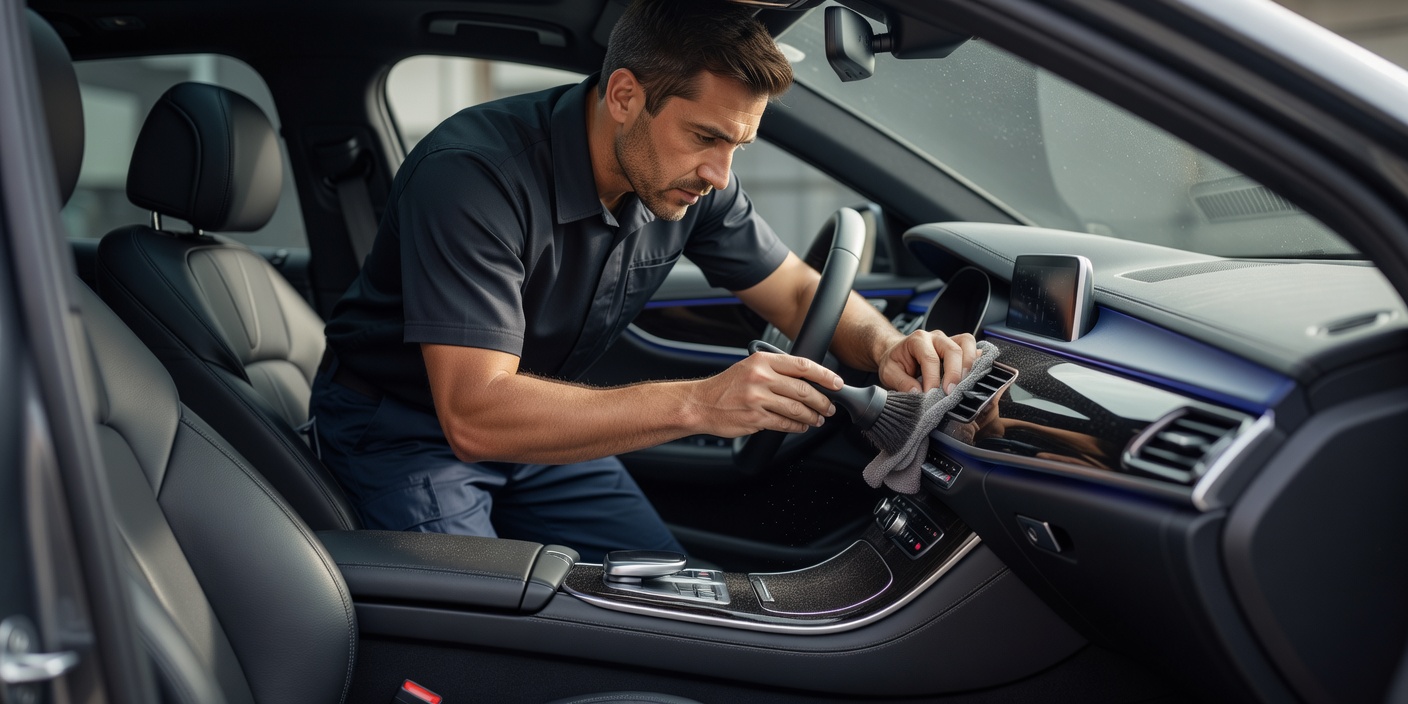
Work usually starts by removing loose items and floor mats so carpet and footwells can be reached properly. Vacuuming addresses seats, carpets, boot areas where included, and crevices around consoles. Soft brushes help lift dust from air vents and textured plastics without scraping coatings.
Seats are cleaned according to material. Fabric may need agitation and extraction discussion for stains; leather follows a different clean-and-condition pathway described on the leather conditioning page. Door panels, armrests and switchgear receive controlled wipe-downs with interior-appropriate products that avoid heavy silicone haze on screens.
Dashboard and instrument surrounds are dusted and cleaned with care around open-pore trims and piano-black plastics that show swirls easily. Interior glass—windscreen inside face, side glass and mirror glass—often forms part of a complete cabin finish because interior film affects night visibility.
Seats, carpets and mats
Seats hold crumbs, grit and body oils. Carpets trap abrasive sand that shortens textile life if left in place. Mats, especially rubber winter mats common in Finland, need separate washing so dirty mats are not placed back onto freshly cleaned carpet. Edge gaps beside seat rails deserve vacuum attention because they store long-term debris.
Dashboard, door panels and interior surfaces
High-touch zones—steering wheel rim edges, gear selector, door handles and window switches—build residue quickly. Cleaning should leave controls readable and residual product minimal. Over-wetting electronics and connectors is avoided. Soft-touch coatings can stain if harsh solvents are used, so product selection matters.
Vacuuming and surface cleaning balance
Vacuuming removes particulate; surface cleaning addresses films and light stains. Doing one without the other leaves an incomplete result. A quality interior detail sequences dry soil removal first, then damp cleaning, then controlled drying so moisture is not sealed into foam or underlay.
Common reasons customers request interior detailing
- Seasonal cabin reset after winter footwear traffic
- Family or rideshare use that increases crumb and dust load
- Stains on cloth seats or soiled carpet channels
- Dusty dashboard textures and film on interior glass
- Preparation before travel or vehicle handover
- Supporting odour treatment or pet hair removal work
Preparation considerations
Empty personal belongings, toll tags you need to keep, and loose change before the vehicle is presented. Mention child seats that must remain installed, aftermarket electronics, and any spills that are still wet. Note leather, Alcantara-style, fabric or mixed materials so cleaning plans stay material-safe.
If the cabin has known water ingress history, share that during enquiry. Moisture issues change how aggressively carpets should be wetted and how drying is planned.
Detailing considerations
Interior detailing success depends on access and condition. Deeply worn bolster fabric may clean yet still look aged. Dye transfer and sun fade are not fully reversed by cleaning. Illuminated panels and delicate veneers need low-risk methods. Time allocation expands for seven-seat layouts, cargo partitions in vans and heavily used taxis or family estates.
Vehicle-care guidance
After interior work, shake out mats regularly, vacuum grit from footwells, and wipe high-touch surfaces with gentle interior cleaners. Address spills quickly. Keep harsh food dyes and greasy protectants away from light fabrics. Ventilate the cabin after wet cleaning days to help moisture leave soft furnishings.
Important limitations
Interior detailing improves cleanliness and presentation. It may reduce many everyday stains, yet permanent dye marks, burn damage, torn bolsters or mould from long-term damp may remain. Odours with structural sources can require separate treatment discussion and still may not disappear completely. No outcome is guaranteed for every cabin.
FAQ
Boot cleaning is often included when requested and accessible. Mention cargo needs and fitted liners in your enquiry so scope is clear.
Many fabric seats respond to careful agitation and extraction methods, but results vary with fabric type, age and stain chemistry.
Professional interior cleaning usually aims for clean, low-haze finishes rather than greasy shine that can glare and attract dust.
Basic leather cleaning can form part of interior work. Deeper conditioning is covered under leather conditioning when that focus is requested.
Related services
Plan an interior detailing enquiry
Describe cabin materials and cleaning priorities to get started.
Request a Detailing Enquiry