Odour Treatment
Interior-focused approaches for persistent vehicle odours with cleaning, source awareness and ventilation—without guaranteed total removal.
Introduction
Persistent cabin odours frustrate owners because smells linger in fabrics, foams and ventilation paths. Odour treatment within detailing begins with cleaning and source control rather than masking fragrance alone. chroniclebuddyrel is clear: improvement is the goal, not a promise that every odour molecule will vanish forever.
What odour treatment involves
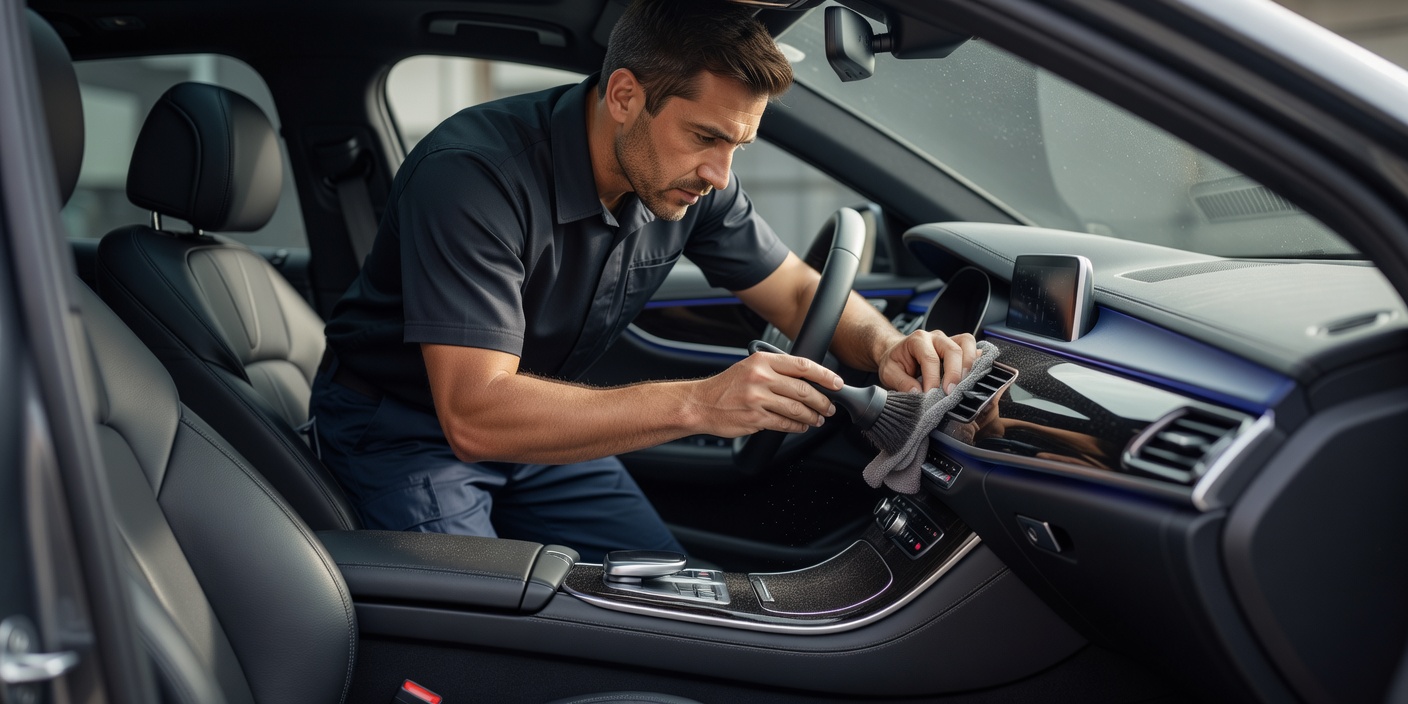
Interior cleaning removes soils that hold odour: food residues, damp mats, pet dander and spill traces. Source investigation asks when the smell appears—only with air-con, only when wet, only in heat. Ventilation discussions may include cabin filter condition as an owner maintenance item and airflow habits after cleaning.
Treatment considerations can involve targeted product use on textiles, careful attention to boot wells, and drying strategies so moisture is not sealed in. Heavy smoke saturation, mould from long-term leaks or biological contamination may exceed cosmetic detailing scope and need specialist remediation language beyond this site’s promises.
Odour sources
Common contributors include spills under seats, gym bags, tobacco history, wet dog mats, milk residues and microbial growth in damp carpet. Exterior leaf mulch in cabin intakes can also create musty notes.
Cleaning and ventilation
Cleaning reduces load; ventilation and drying reduce the environment smells need to rebound. Fragrance sprays without cleaning often disappoint and can annoy sensitive passengers.
Common reasons customers request it
- Used-vehicle cabin smells after purchase
- Lingering food or smoke notes
- Mustiness after wet seasons in Finland Proper
- Pet-related odours alongside hair removal
- Preparation for shared family or guest use
Preparation considerations
Remove rubbish and strong air fresheners before assessment so true odours can be identified. Disclose known spills, smoking history, water leaks and previous treatments. Note allergies to scented products.
Detailing considerations
Odours bound deeply into foam can lessen without full erasure. Running ozone or similar equipment, when used in professional contexts, requires safety protocols and is not something this informational site instructs owners to improvise. Cabin filters are owner or workshop items outside pure detailing packaging unless specified.
Vehicle-care guidance
Dry mats after snowy days. Avoid leaving organic trash in-cabin. Address leaks promptly. Replace cabin filters on schedule. Ventilate after detailing. Avoid overpowering cardboard fragrances that only hide issues temporarily.
Important limitations
Complete removal of every odour is not guaranteed. Structural damp, mould inside panels or chronic smoking saturation may require more than a single detailing visit. Masking is not presented as a cure.
FAQ
Smoke can permeate soft materials extensively. Improvement is possible; permanence depends on saturation and ongoing exposure.
Preference varies. Many professional approaches prioritise neutral cleanliness over heavy perfume.
Yes—soil removal is usually foundational before specialised odour steps.
If moisture and microbial conditions remain in the HVAC system, smells can return and may need broader attention.
Related services
Discuss cabin odour treatment
Honest, cleaning-led conversations for Finland Proper vehicles.
Request a Detailing Enquiry