Leather Conditioning
Cleaning and conditioning care for leather seats and cabin leather surfaces with material identification first.
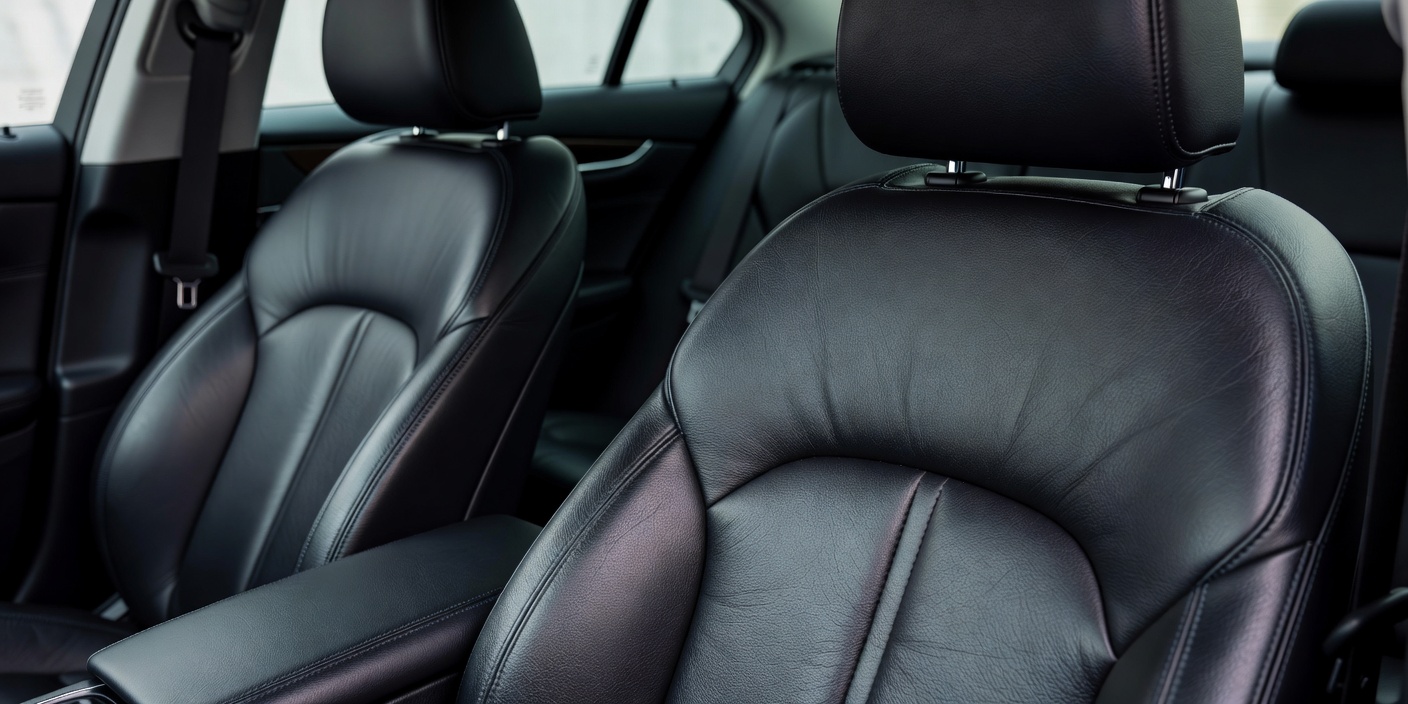
Introduction
Automotive leather and leather-like surfaces benefit from cleaning that removes body oils and debris, followed—when appropriate—by conditioning that supports suppleness and appearance. Leather conditioning at chroniclebuddyrel is described as material-aware cabin care, not furniture upholstery generalisation and not a promise to erase years of wear overnight.
What the service involves
Material identification comes first. Pigmented leather, aniline-style softer leathers, perforated sport seats, coated vinyl “leatherette” and suede-like inserts all need different approaches. Cleaning lifts grime from stitching, bolsters and seat centres. Conditioning products, when suitable, are applied thinly and evenly after the surface is clean and dry enough.
Surface care includes avoiding greasy residues on steering grips if leather-wrapped, protecting heated seat elements from oversaturation, and keeping products off glass and non-leather plastics where they can streak.
Leather seats and surfaces
Driver bolsters often wear first. Light-coloured leather shows dye transfer from clothing. Perforations trap dust that needs gentle extraction rather than forced liquid flooding.
Cleaning then conditioning
Conditioning dirty leather can trap soils. The preferred sequence is clean, assess, then condition if the material type supports it. Some modern protected leathers need only light cleaning most of the time.
Common reasons customers request it
- Dry-looking or squeaking seat surfaces
- Soiled bolsters and centre cushions
- Seasonal interior refresh in dry heated cabins
- Preparation before vehicle sale presentation
- Routine care for premium cabin materials
Preparation considerations
Empty seat pockets, note pet claws or tears, and mention recent dye transfer. Identify whether surfaces are genuine leather or synthetic. Share allergy concerns about fragranced products if relevant.
Detailing considerations
Cracked leather may look cleaner yet remain cracked. Colour restoration dyes are a different specialty and not assumed. Steering wheels glaze from hand oils and need careful cleaning to avoid slippery residues. Alcantara-style centres are not conditioned like smooth leather.
Vehicle-care guidance
Wipe spills quickly. Use sun shades when parked in strong light. Avoid household household silicone sprays. Clean lightly on a regular schedule rather than waiting for deep soiling. Follow any product-specific advice shared after treatment.
Important limitations
Conditioning cannot rebuild missing finish, erase deep cracks, or permanently stop wear on heavily used bolsters. Incorrect products can darken or stain. Outcomes vary by leather type and prior care. No lifetime softness guarantee is offered.
FAQ
No. Many vehicles use coated synthetics or mixed materials. Identification prevents wrong product use.
Frequency depends on climate, use and material. Some cabins need only occasional light care; others benefit from seasonal attention.
Light surface marks may become less obvious after cleaning; deeper gouges usually remain without specialised repair.
Leather focus can stand alone or pair with broader interior detailing for carpets and plastics.
Related services
Enquire about leather conditioning
Material-aware cleaning and conditioning discussions in Finland Proper.
Request a Detailing Enquiry