Headlight Restoration
Attention to cloudy headlights, surface oxidation and finishing considerations for clearer lens appearance.
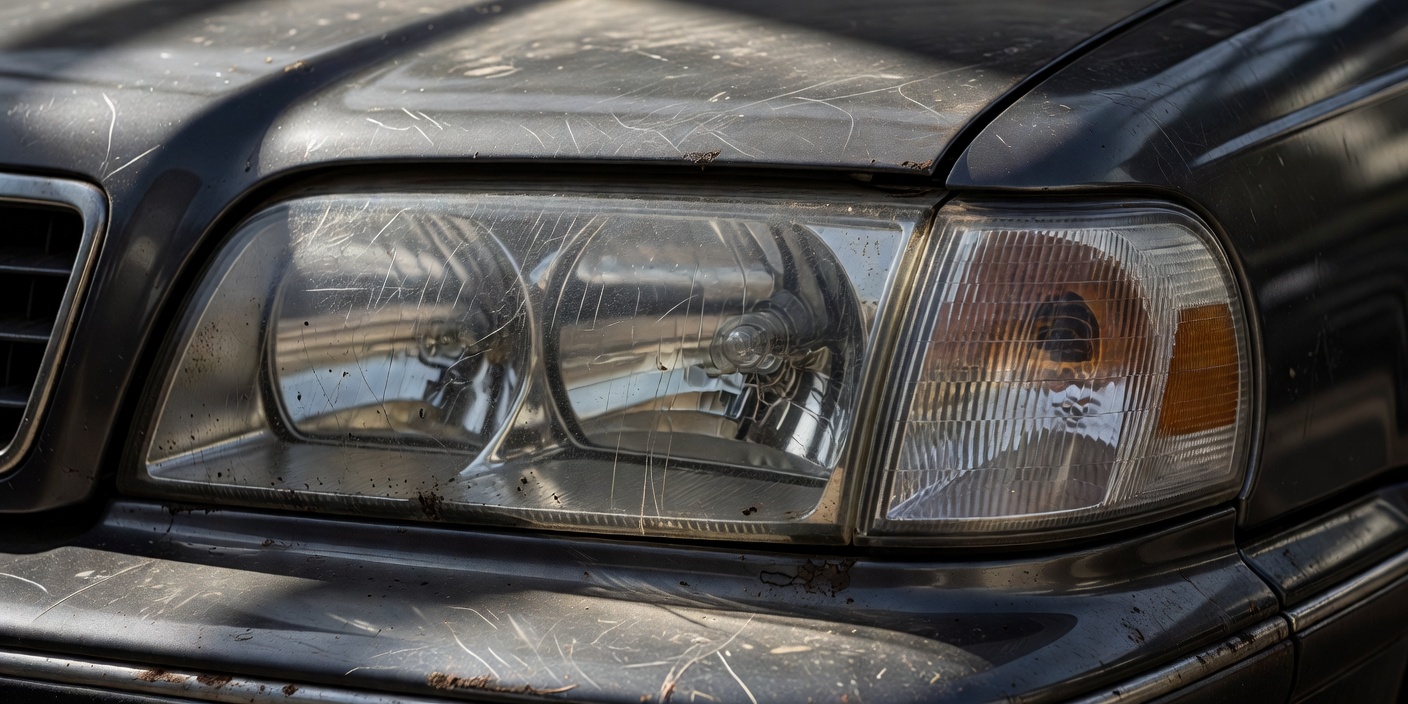
Introduction
Modern vehicles often use polycarbonate headlight lenses that can haze, yellow or look dull as factory UV protection wears. Headlight restoration in a detailing setting aims to improve lens clarity and appearance through cleaning, controlled abrasion where appropriate, and finishing protection discussions. It is appearance and light-transmission oriented care—not an electrical repair service.
In Finland Proper, long dark seasons make headlight clarity a practical comfort topic as well as a cosmetic one. Results still depend on how far oxidation and pitting have progressed.
What the service involves
Assessment identifies whether haze is mainly external oxidation, internal moisture, deep pitting or cracked housings. External oxidation is the most common restoration candidate. Cleaning removes road film so the true lens condition is visible.
Restoration preparation may include masking adjacent paint and trim, then progressive refinement of the lens surface. Finishing considerations often include a UV-aware protective layer so the freshly clarified plastic is not left completely bare. Owners should understand that protection still ages and maintenance or eventual repeat work can be required.
Cloudy headlights and surface oxidation
UV exposure breaks down protective coatings; the plastic then oxidises and scatters light. Mild cases respond more readily than lenses with deep roughness or prior failed DIY sanding.
Cleaning, preparation and finishing
Cleaning is gentle but thorough. Preparation isolates the work zone. Finishing seeks optical clarity without leaving sanding marks. Headlight internals, bulbs and aim are not adjusted as part of standard cosmetic restoration descriptions on this site.
Common reasons customers request it
- Yellowed or cloudy lens faces on older vehicles
- Uneven appearance between left and right lamps
- Cosmetic refresh before sale or inspection presentation
- Haze after years of outdoor parking
- Desire to improve nighttime beam appearance subject to realistic limits
Preparation considerations
Note whether lenses were restored before, whether coatings exist, and if moisture is visible inside the housing. Mention aftermarket tint films. Ensure enquiry photos, if you describe heavy cracking, so expectations can be set about restoration versus replacement discussions.
Detailing considerations
Not all lamps should be sanded aggressively. Thin remaining UV layers, soft plastics and textured OEM designs need judgement. Painted surrounds require careful masking. LED assemblies with complex outer lenses still rely on the same external surface care principles when haze is external.
Vehicle-care guidance
Wash headlight faces with the vehicle rather than neglecting them. Avoid dry wiping grit across lenses. If a protective product was applied after restoration, maintain it and reassess periodically. Parking out of intense sun when practical can slow UV wear.
Important limitations
Restoration cannot fix internal clouding from seal failure, broken mount tabs, or deep stone fracture networks in every case. Beam legality, aim and photometric performance are separate from cosmetic clarity. No guarantee is made that restored lights will match brand-new optics permanently.
FAQ
Longevity varies with UV exposure, protection used, wash habits and original lens condition. No fixed duration is promised.
Household abrasives may temporarily change appearance but often omit proper finishing protection and can leave uneven results.
Typically both are addressed together for matched appearance, subject to condition and enquiry scope.
Cracks and structural damage usually require replacement rather than surface restoration alone.
Related services
Improve headlight appearance discussions
Start with a clear enquiry for your vehicle in Finland Proper.
Request a Detailing Enquiry