Paint Polishing
Paint appearance refinement focused on gloss, clarity and careful assessment of surface imperfections.
Introduction
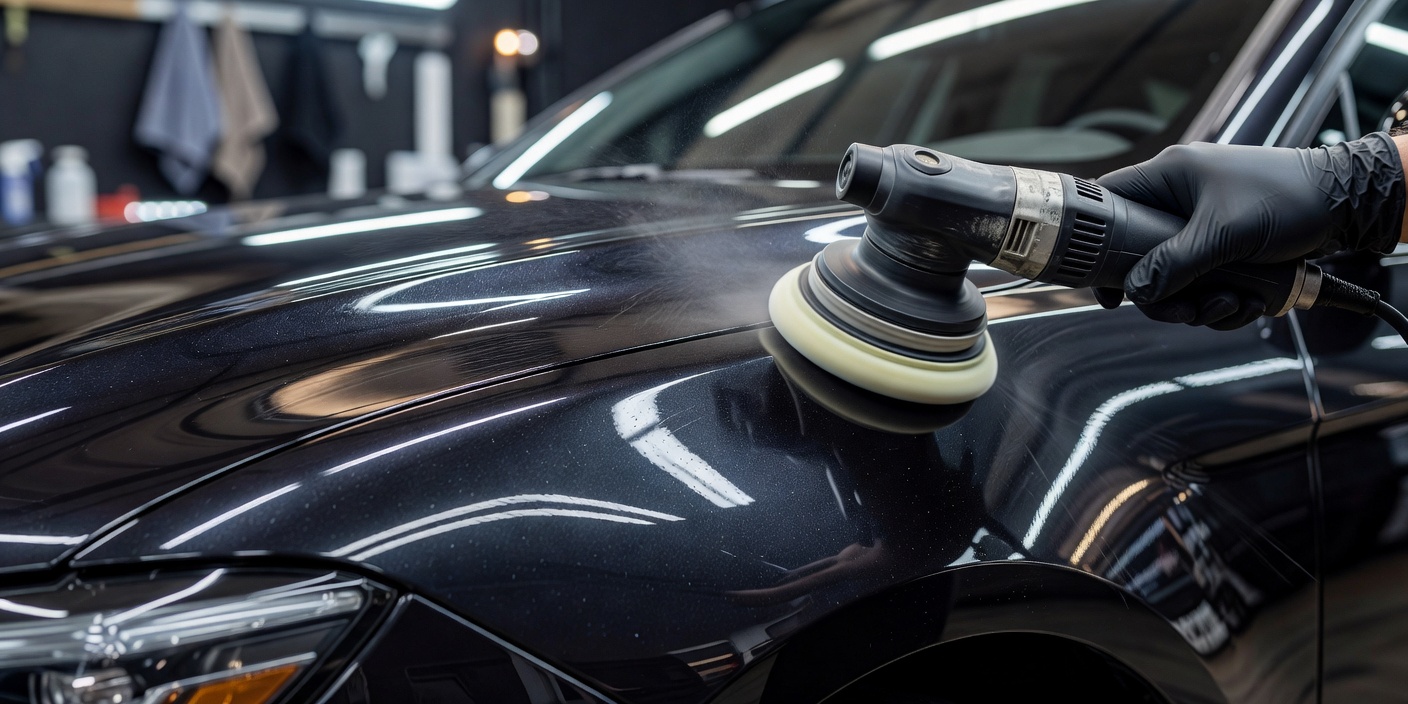
Paint polishing is a detailing discipline concerned with refining how exterior paint looks in direct and oblique light. By carefully abrading and finishing the clear coat within safe limits, polishing can improve gloss and reduce the visibility of some light surface imperfections. It is distinct from washing and from body shop refinishing.
For vehicles in Finland Proper, polishing conversations often follow outdoor washing seasons when swirl marks from grit, automated brushes or hurried hand washes become more noticeable on darker colours.
What paint polishing involves
Effective polishing starts with preparation. Paint must be clean and free from loose grit. Contaminant removal may be discussed so polish pads are not grinding particles across the surface. Masking of sensitive trims and careful lighting help the technician monitor progress.
Paint condition assessment informs whether a finishing polish, a multi-stage approach or no polishing at all is appropriate. Soft paint, thin clear coat after previous corrections, matte finishes and fresh resprays change the risk profile. Test spots may be used to evaluate response before broader work.
Polishing considerations include pad selection, product cut level, machine speed, arm speed and section size. The goal is controlled refinement—not aggressive removal of clear coat for short-term gloss. After polishing, residual oils are removed so the true finish can be inspected, and protection options such as sealants or ceramic coating may be discussed separately.
Paint appearance and gloss
Gloss is influenced by how smoothly light reflects from the clear coat. Micro-marring scatters light and dulls colour depth. Polishing can improve that optical behaviour when imperfections are shallow enough. Metallic and pearl paints may show different visual gains than solid colours.
Surface imperfections
Common topics include wash swirls, light holograms from prior machine work, minor water spot marks and isolated scuffs. Deeper scratches that catch a fingernail, stone chips that expose primer or metal, and oxidation that has compromised clear coat integrity are outside simple cosmetic polishing expectations.
Common reasons customers request paint polishing
- Visible swirl marks on dark paint after winter washing
- Desire for richer gloss before summer or a special event
- Preparation discussion ahead of ceramic coating
- Light marring after DIY drying with contaminated towels
- Pre-sale paint presentation improvement goals
Preparation considerations
Share known respray history, paint hardness if previously measured, existing coatings, and whether the finish is matte or satin. Remove bumper stickers you want to keep protected if adhesive risk is a concern. Note any panel that must not be polished due to warranty or thin-film warnings.
Detailing considerations
Polishing is cumulative risk management. Each correction stage removes a small amount of clear coat. Responsible workflows favour the least aggressive method that achieves a realistic improvement. Edges, body lines and plastic painted bumpers need extra caution. Ambient temperature and product working time also influence technique.
Vehicle-care guidance
After polishing, use gentle wash methods, clean drying aids and prompt decontamination of corrosive soils such as bird droppings. Avoid abrasive polishing compounds at home unless you understand clear-coat limits. If protection was applied after polishing, maintain it according to product guidance.
Important limitations
Paint polishing does not remove every scratch or defect. It cannot rebuild missing clear coat, reverse severe oxidation in all cases, or fix dents. Results vary with paint thickness, colour, previous workmanship and lighting. No promise is made that a vehicle will look defect-free from every angle.
FAQ
No. Polishing modifies the paint surface microscopically. Waxing primarily adds a sacrificial layer for appearance and short-term protection without meaningful defect correction.
No. Some finishes only need a light finishing pass, and some should not be polished. Assessment drives the plan.
Improper technique or excessive cutting can burn through clear coat or leave haze. That is why controlled methods and condition checks matter.
Coatings generally perform best on well-prepared paint. Whether polishing is needed depends on the surface condition discussed during assessment.
Related services
Enquire about paint polishing
Finland Proper vehicle paint care starts with a clear enquiry.
Request a Detailing Enquiry