Wheel & Rim Detailing
Professional attention to wheel cleaning, brake dust, rim surfaces and tyre appearance.
Introduction
Wheels collect some of the harshest soils on a vehicle: baked brake dust, road film, winter residue and kerb scuffs. Wheel and rim detailing gives these components dedicated time rather than treating them as an afterthought of a body wash. chroniclebuddyrel frames the service around safe cleaning chemistry, accessible surfaces and tyre presentation—not machining, powder coating or structural wheel repair.
What wheel detailing involves
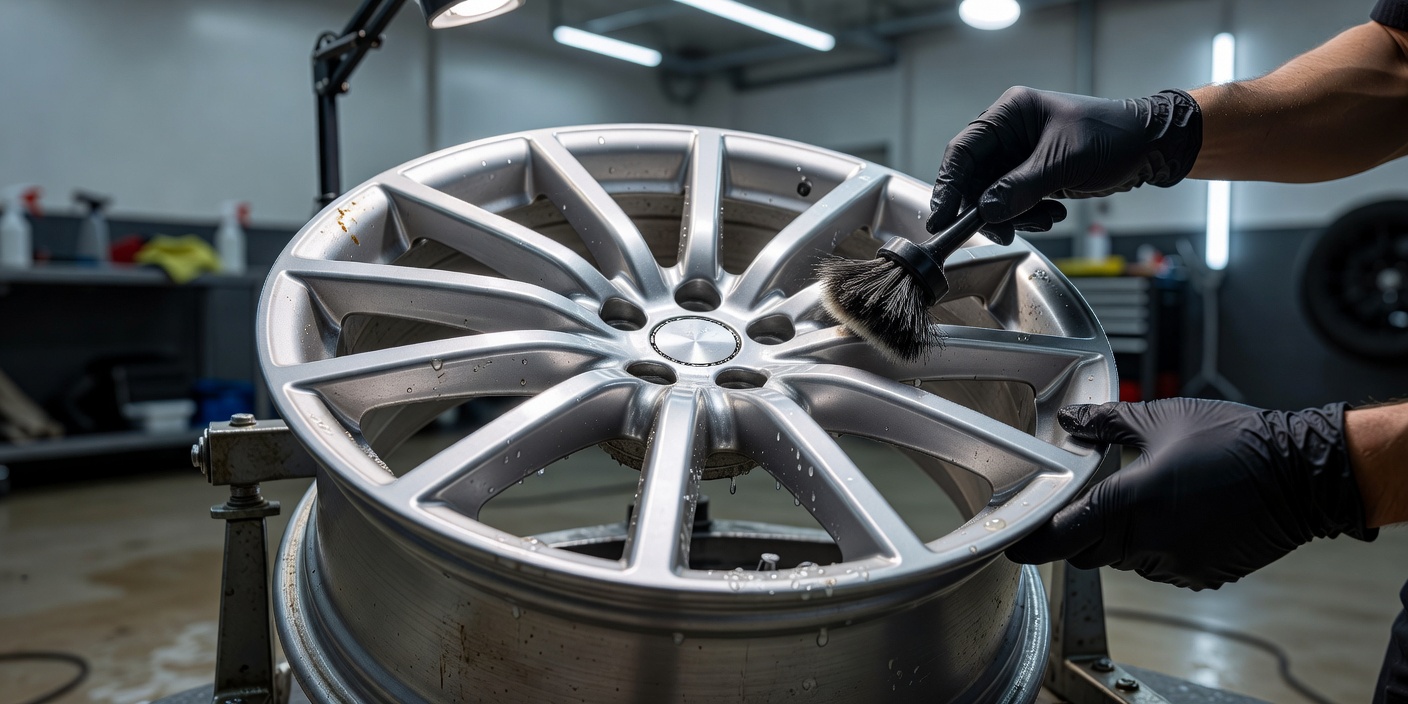
Wheel cleaning begins with identifying finish type—painted alloy, machined face, polished lip, chrome-look covers or steel wheels with trims. Wrong acids or aggressive brushes can etch or scratch. Brake dust is addressed with suitable dwell and agitation on faces and, where design allows, deeper barrel areas.
Rim surfaces include outer faces, spoke edges and visible inner barrels. Tyre appearance work typically means cleaning sidewalls of brown road film and optionally applying a controlled dressing that does not sling heavily onto paint. Care considerations include protecting callipers aesthetically without claiming mechanical service, and avoiding saturation of TPMS components with inappropriate methods.
Brake dust and rim surfaces
Iron-rich dust bonds to hot wheels and darkens finishes. Regular dedicated cleaning reduces build-up that becomes harder to remove later. Complex multi-spoke designs need smaller brushes and patience.
Tyre appearance
Clean sidewalls already improve the stance of a vehicle. Dressings, if used, should be applied sparingly after cleaning and drying. Overly glossy wet look products can splash onto bodywork.
Common reasons customers request it
- Heavy brake dust on performance or daily driven cars
- Winter film on alloys after salted roads
- Uneven brown tyre sidewalls
- Preparation before exterior photos or sale
- Intricate wheel designs that standard washes miss
Preparation considerations
Tell us about aftermarket wheels, polished lips, chrome cladding, centre-lock designs and any known coating on the rims. Note recent caliper paint. If wheels are extremely hot after a drive, cooling time may be needed before chemistry is applied.
Detailing considerations
Access limits results inside tight barrels behind large brake packages. Severely corroded or clear-coat peeling wheels may clean yet still look worn. Kerbing damage is not erased by shampoo. Valve stems and weights should be treated gently.
Vehicle-care guidance
Clean wheels regularly rather than waiting for thick crusts. Use separate wash media for wheels and paint when hand-washing at home. Rinse thoroughly. Inspect for finishing cracks that let corrosion creep under coatings.
Important limitations
Detailing does not repair bends, cracks or structural issues. It does not restore peeling chrome with permanence in every case. Aggressive DIY acid use can permanently mark soft finishes. Outcomes vary with neglect level and finish type.
FAQ
No. Many owners prefer clean, natural rubber appearance. Dressing is optional and discussed as preference.
Improvement is usual; complete access depends on wheel design and whether wheels are removed—an option that may be outside standard scope.
Protected wheels can release dirt more easily, but still need correct chemistry and routine care.
Basic wheel faces are often included in exterior work. Dedicated rim detailing allocates extra time for heavier soiling and intricate designs.
Related services
Request wheel & rim care
Alloys and tyres deserve dedicated detailing attention.
Request a Detailing Enquiry